Optimizing Energy Systems for Gridiron Athletes: Train Smarter, Not Harder
4/9/20262 min read
Understanding Athletic Energy Systems
When preparing for competitive sports, understanding the body’s energy systems is crucial for athletes aiming to maximize their performance on the field. Athletes like football players and basketball players have different demands in their respective sports, leading to pivotal differences in training focus. The key is to optimize energy systems, ensuring preparation aligns with the specific requirements of each sport.
The Three Energy Systems Explained
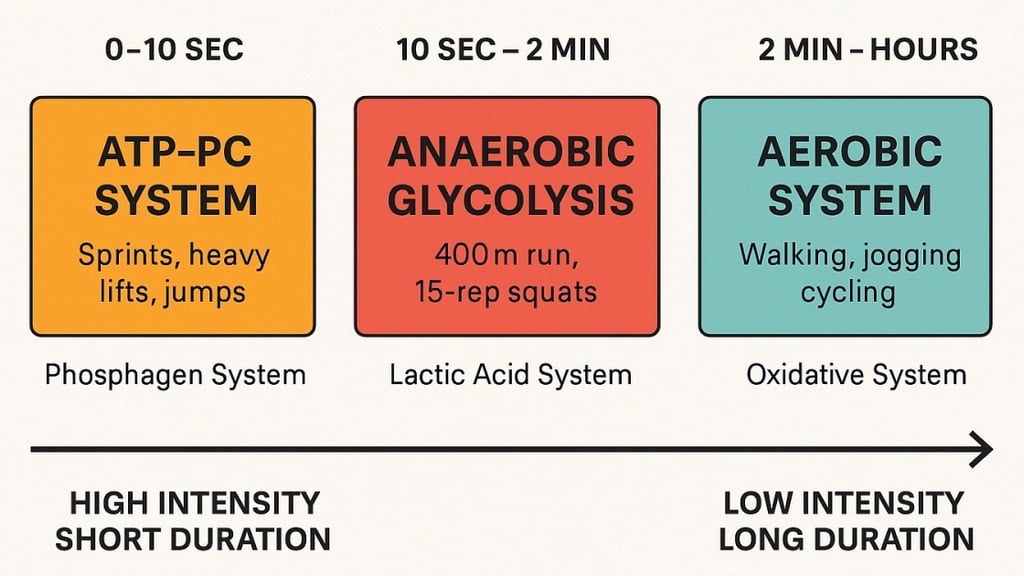
There are three primary energy systems that govern athletic performance: the phosphagen system, the glycolytic system, and the oxidative system. Each system plays a distinct role in energy production and is activated at different intensities of exercise.
The phosphagen system, also known as the ATP-CP system, provides immediate energy for short-duration, high-intensity activities, such as a football player's sprint during a play. This system relies on stored adenosine triphosphate (ATP) and creatine phosphate (CP) which can be rapidly utilized.
Conversely, the glycolytic system kicks in for slightly longer bursts of energy, typically lasting from about 30 seconds to 2 minutes. This system is particularly relevant for basketball players who engage in frequent sprints and high-intensity efforts over relatively longer periods. It breaks down glucose to produce lactic acid, thus providing energy through anaerobic metabolism.
The oxidative system comes into play during prolonged, lower-intensity activities, utilizing oxygen to generate energy. While important for endurance athletes, it may not be a priority for those focused on short, explosive movements typical in football or basketball.
Tailoring Conditioning Strategies
Understanding the demands of your sport is critical. Football players must harness the phosphagen system, given the nature of their gameplay consisting of brief yet explosive movements. Incorporating rigorous sprint intervals, explosive strength training, and plyometric exercises can enhance this system's effectiveness.
On the other hand, basketball players should prioritize conditioning that develops both the glycolytic and oxidative systems. Drills that involve repeated sprinting coupled with brief recovery can enhance performance during games where rapid transitions occur frequently.
Proper nutrition also plays a vital role in optimizing these systems. Athletes should focus on consuming macronutrients tailored to their energy system needs. For example, football players might benefit from higher creatine and protein intake to support quick bursts of energy, while basketball players may require greater carbohydrate availability to sustain energy throughout longer periods of play.
In conclusion, training like a marathon runner for a 10-second play can lead to suboptimal performance on the gridiron. By focusing on the specific energy systems required for their sport, athletes can optimize their internal 'battery' to achieve peak performance. Understanding and training the right energy systems ensures that athletes not only have the endurance but also the explosive power necessary to dominate their games.
Contact
Reach us anytime for partnership or training.
Phone
Wellness@LSNHealth.com
+1-347-809-8770
© 2025. All rights reserved.